Skip to content Skip to navigation menu

What is silicosis and why does awareness matter?

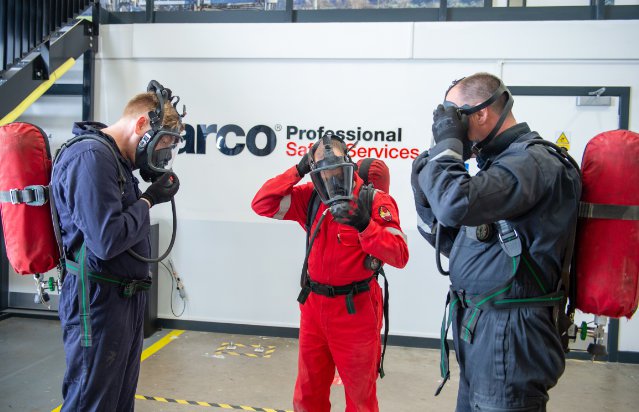
The importance of proper PPE

1.8 million workers suffer from new or long-term work-related respiratory illnesses, with respiratory diseases being the third biggest cause of death in England generally. And, across building sites, stone yards, quarries, mines and other sites, workers are facing one of the biggest health threats since asbestos – silicosis.

Exposure to respirable crystalline silica (RCS) can cause long-term illnesses and can even be fatal. So, wearing the correct equipment and following best safety practices is crucial. But what is equally important is dialogue, training and understanding of the risks.

What is Silicosis?

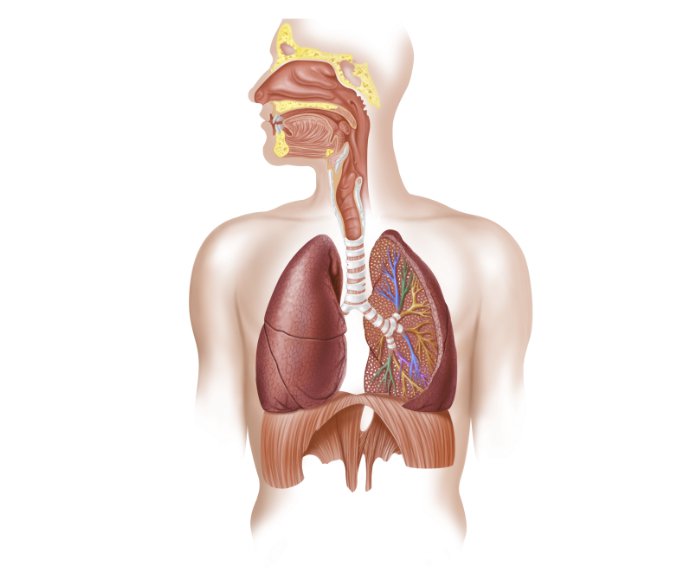
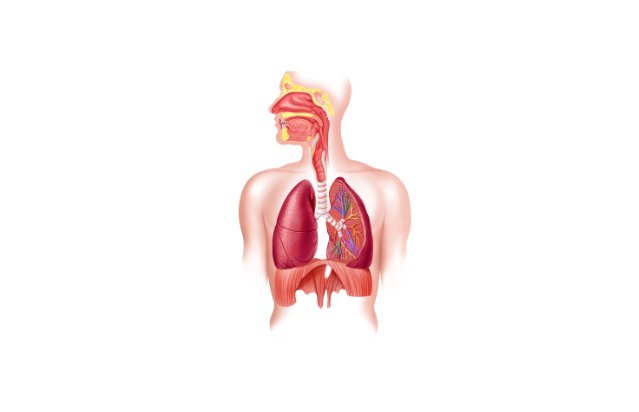
Respirable crystalline silica (RCS) is found naturally in rocks, stones, sand and clay. It consists of tiny particles which, when inhaled regularly and over time, become a progressive, incurable disease. Exposure to RCS can cause inflammation and scarring (fibrosis) of lung tissue, which can lead to lung disease.

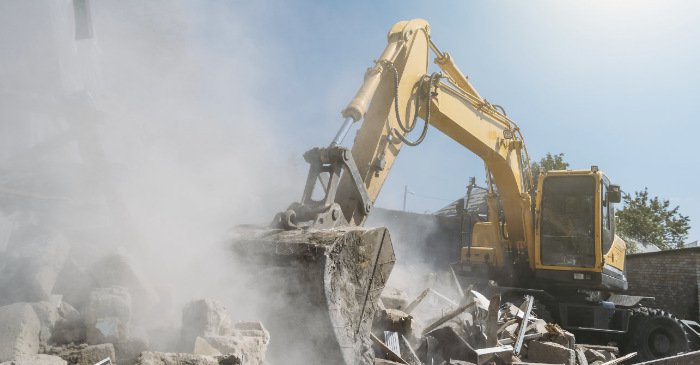
Silicosis is common in construction industries due to the materials and hazardous substances used onsite – for example, mortar, stone and sand. It's also commonly found in those who work in:

  • Stonemasonary
  • Slate Working
  • Sandblasting
  • Foundries
  • Manufacturing (for example, when using silica flour)
  • Quarrying and Mining
  • Pottery and Ceramics
  • Glass Manufacturing
What is Silicosis

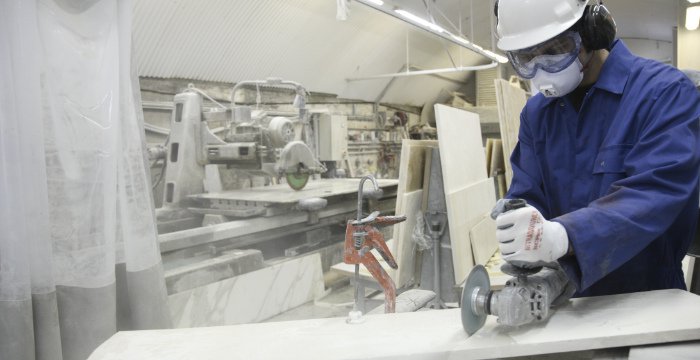
While there is no cure for silicosis, it can be prevented through effective ventilation, wet cutting methods, and, most importantly, respiratory protective equipment (RPE).


Human Cost

It's estimated that over 600,000 UK workers are exposed to silica dust every year, with cases among engineered stone workers on the rise. Of these, over 500 construction workers are believed to die from silica dust exposure every year in the UK. Furthermore, there are an estimated 11,000 annual lung disease-related deaths linked to past exposure at work.

Silicosis is irreversible and incurable, which is why wearing the right protective equipment from day one on-site is so vital. While the condition often develops after prolonged, regular exposure over ten to twenty years, extremely high exposure can cause acute silicosis, which can develop more rapidly – especially among younger workers.

Generally, the disease is progressive, and can quickly result in chronic lung symptoms like breathlessness, a chronic and persistent cough, fatigue and weight loss. In cases of severe progression, lungs quickly become stiff and scarred, which can lead to disability and, sometimes, death.

Besides directly affecting health, contracting silicosis also increases people's susceptibility to other lung conditions, including:

  • Chronic obstructive pulmonary disease (COPD)
  • Lung infections
  • Tuberculosis (TB)
  • Lung cancer
Human Cost

Financial Cost

Estimates suggest that over 400,000 working days are lost every year in the UK due to occupational lung diseases like silicosis. Not only does this affect personal finances in terms of days and jobs lost, but it has a broader impact on businesses and the wider economy. In fact, a study estimated that the consequences of silicosis cause construction employers to lose over £1 billion per year, not including compensation and related cancer costs.

On a wider scale, respiratory disorders cost the economy around £11.1 billion annually – with a large percentage of this (£10 billion) impacting the NHS directly. The remainder accounts for the number of working days lost – over £1.1 billion.

With such a huge impact on individual workers, employers, the economy and the NHS, silicosis is an increasingly intimidating, silent threat to health and livelihood. It is preventable, though it remains incurable once the condition begins. Not wearing or equipping employees with the correct RPE equipment can not only progressively impact long-term health, but also the financial stability of businesses in the industry.

Financial Cost

How to Limit Exposure

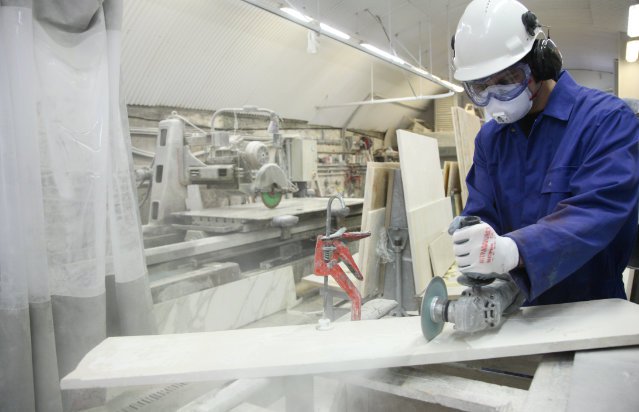
Silicosis is incurable, but preventable. One important control to prevent silica particle inhalation is by wearing the proper PPE while on-site. Water suppression (wet cutting) and local exhaust ventilation (LEV) can also help keep dust down when grinding, drilling and stone cutting.

In UK workplaces, all employers need to comply with the Control of Substances Hazardous to Health Regulations 2002, which limits the amount of silica employees can be exposed to. This means all employers need to risk assess their sites and provide effective control measures.

Employers should also:

  • Provide all employees with the proper personal protective equipment (PPE)
  • Ensure all employees are aware of any health and safety procedures to reduce their risk of exposure
  • Ensure employees are aware of any risks to their health
How to Limit Exposure

Why PPE is Important: A word from Arco

"Preventative measures are extremely important to reduce on-site exposure to silica dust. This can be achieved by providing the correct personal protective equipment, ensuring effective ventilation and introducing engineering controls to extract silica dust from the construction process.

Monitoring crystalline silica levels is also vital, and technology now allows employers to access real-time exposure level monitoring to protect their employees and keep their workplaces compliant. Effective and consistent monitoring is needed to accurately prove that dust levels are within the legal limits.

Workplace education – for both employees and employers – is needed to fully understand the long-term exposure risk of silica dust, and the importance of providing industry-standard respiratory protection."

Alex Turgoose, Respiratory, Product Manager – Arco

Why PPE is Important

Conclusion

Silicosis is an aggressive and progressive illness that, currently, is incurable. However, it is entirely preventable when the proper workplace safety measures are followed. Whether that's through wearing the proper PPE, effective ventilation or real-time silica level monitoring, consistent and thorough action is required by employers across industries to ensure the safety of their employees.

With this in mind, policymakers need to maintain consistent discussion on the topic, in order to prevent long-term health effects on workers and, in turn, wider effects on industries, the economy and the NHS. But it all starts with awareness, and the provision of potentially life-saving protective equipment.