
Footwear
Trusted by workers, Arco is the market leader in safety boots and shoes. We stock a wide range of own brands and well-known names, from slip-resistant footwear to the latest innovative products, you can find the best safety boots and shoes for your workplace


Shop Brands



What's New

Code:663300
NEW Arco Essentials Black S1P Safety Shoes
£19.79
Pairs | 0% VAT* Ex VAT Inc VAT
Order now for delivery on 12/10/2026
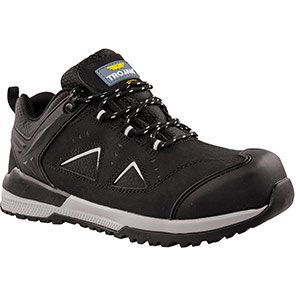
Code:6TT4100
NEW TROJAN Minos Unisex Black/Grey S3S ESD Safety Trainers
£65.99
Pairs | 0% VAT* Ex VAT Inc VAT
Order now for delivery on 12/10/2026
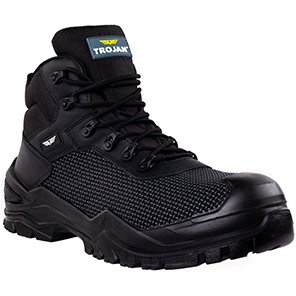
Code:H426612
NEW TROJAN Megara PU-TEK Black S3S Safety Boots
£75.99
Pairs | 0% VAT* Ex VAT Inc VAT
Order now for delivery on 12/10/2026
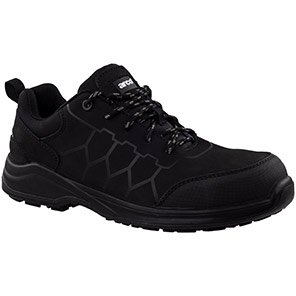
Code:6PP8100
NEW Arco CT0325 Unisex Black S3S Safety Trainers
£47.80
Pairs | 0% VAT* Ex VAT Inc VAT
Order now for delivery on 12/10/2026

Code:6AS0400
Arco ST0224 Unisex Black/Grey S1P Safety Trainers
£26.99
Pairs | 0% VAT* Ex VAT Inc VAT
Order now for delivery on 12/10/2026

Code:6AS0300
Arco ST0324 Unisex Black S3 Safety Trainers
£54.64
Pairs | 0% VAT* Ex VAT Inc VAT
Order now for delivery on 12/10/2026
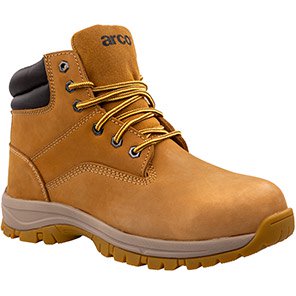
Code:6AS0100
Arco Honey Men’s Brown S1P Safety Boots
£39.99
Pairs | 0% VAT* Ex VAT Inc VAT
Order now for delivery on 12/10/2026

Code:6MM8900
NEW Arco ST202 Black High-Leg S7S Metatarsal Safety Boots
£79.95
Pairs | 0% VAT* Ex VAT Inc VAT
Order now for delivery on 12/10/2026

Code:6MM8800
NEW Arco ST201 Black S3S Metatarsal Safety Boots
£95.99
Pairs | 0% VAT* Ex VAT Inc VAT
Order now for delivery on 12/10/2026

Code:6T7700
Arco ST0524 Men’s Black S1P Safety Dealer Boots
£41.99
Pairs | 0% VAT* Ex VAT Inc VAT
Order now for delivery on 12/10/2026
All Expert Advice
Footwear FAQs
What size safety boots should I buy?
Choose your normal shoe size unless the manufacturer recommends otherwise. Safety boots should fit snugly around the heel with enough room to wiggle your toes. Avoid boots that feel too tight, as your feet can swell during the day.
Which safety boots are most comfortable for all-day wear?
Look for boots with cushioned insoles, shock-absorbing midsoles, breathable linings, padded collars and lightweight construction. A good fit is just as important as the features.
How do I stop safety boots rubbing or causing blisters?
Ensure the boots fit correctly, break them in gradually and keep your feet dry. Buy work socks — the reinforced heel and toe provide extra durability, cushioning and protection where you need it most. Designed to withstand the demands of safety boots, they help reduce blisters, improve comfort and keep your feet supported from the first step to the last.
What are the best work boots for standing all day?
Choose work boots with excellent cushioning, arch support, energy-absorbing heels and lightweight soles designed to reduce fatigue.
What's the difference between steel toe and composite toe boots?
Steel toe caps are extremely durable and often slimmer. Composite toe caps are lighter, non-metallic and don't conduct heat or cold, making them ideal for electrical work or temperature extremes.
Do I need a protective midsole?
If there's a risk of stepping on nails, screws or sharp objects, a penetration-resistant midsole is highly recommended.
Are composite toe boots as safe as steel toe boots?
Yes. Both must meet the same relevant safety standards when certified. The choice comes down to comfort, weight and your work environment.
What's the difference between waterproof and water-resistant boots?
Waterproof boots prevent water penetration during prolonged exposure. Water-resistant boots repel light rain and splashes but are not designed for standing water.
Are GORE-TEX safety boots worth it?
Yes, if you regularly work in wet conditions. They help keep feet dry while remaining breathable, improving comfort throughout the day.
Which work boots are best for working in cold weather?
Look for waterproof boots with insulated linings, deep-tread outsoles and moisture-wicking interiors.
Which boots keep my feet cool in summer?
Choose lightweight, breathable boots with moisture-wicking linings and ventilation features.
How long should safety boots last?
Most safety boots last between 6 and 12 months with daily use, although lifespan depends on working conditions and maintenance.
How do I care for my safety boots?
Clean off dirt regularly, allow work boots to dry naturally, treat leather with appropriate care products and inspect them for signs of damage.
How often should I replace my safety boots?
Replace them when the toe cap is exposed, the sole is badly worn, the tread has lost grip or the boots are no longer providing adequate support or protection.