Learn how the PPE industry has evolved since the Covid-19 pandemic. Discover the newest advancements in technology, sustainability and customisation that are driving PPE forwards. Find out what's next for PPE and how it will help to create a safer workplace for all.
Safe, smart, sustainable: building a brighter future for PPE
The Future of PPE
Whether on a construction site or a hospital ward, personal protective equipment (PPE) can be the difference between safety and danger - and sometimes, even life and death.
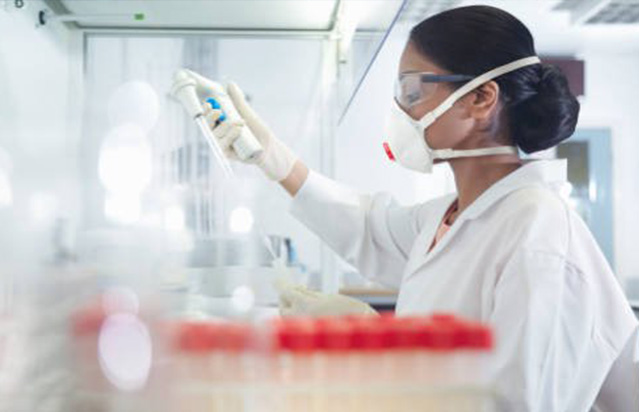
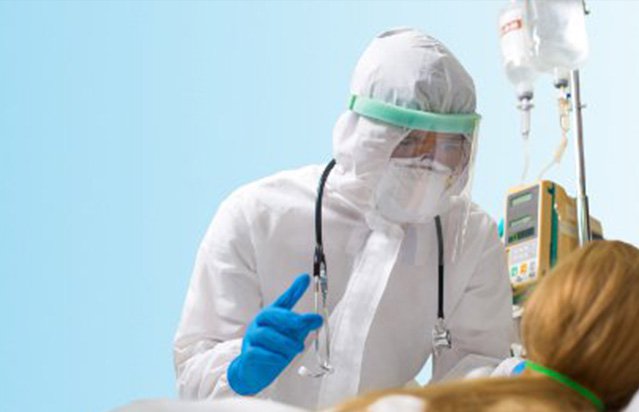
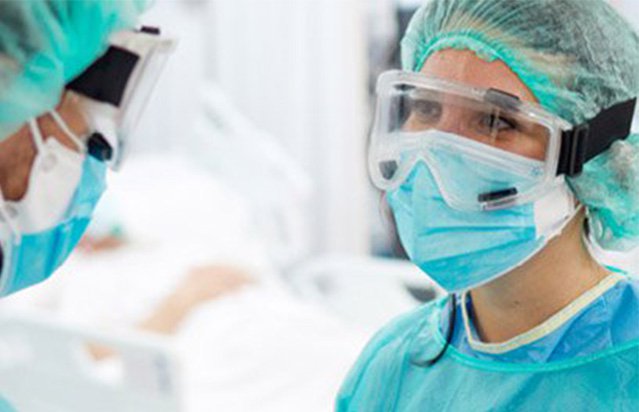
During the COVID pandemic, this was thrown into sharp focus. The British Medical Association (BMA) recently highlighted the state of PPE in healthcare settings at the time.
Supplies were low. Some designs were exposed as narrow and inadequate. Quality was poor. Frontline workers were ultimately at risk. Three years on, PPE is still a big talking point and the industry is learning valuable lessons.
Experts have highlighted some of the top innovations influencing the future of the PPE market. Technology, sustainability, customisation and comfort, and smart designs are all key trends that are influencing and improving workwear for a safer tomorrow.
A Step in The Right Direction
We're now seeing a greater focus on safety, efficiency and sustainability than perhaps ever before.
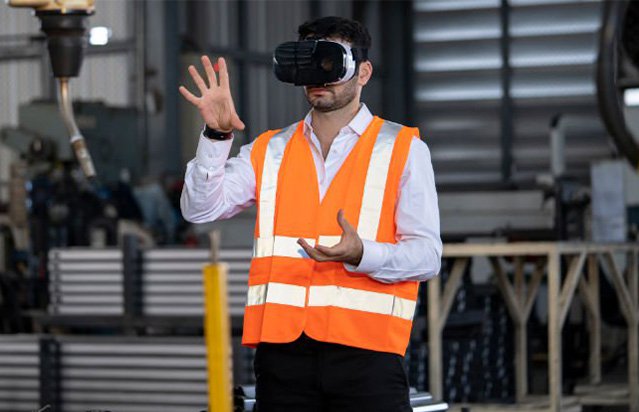
AI, VR and the Internet of Things (IoT) are changing the game for the better. Designers are accounting for different genders, cultures and body shapes in what was once a one size fits all industry. There's a greater focus on sustainability too, keeping workwear out of landfill for longer.
But, the advances of recent years are the tip of the iceberg in what we can achieve for workers, employers and the environment. Let's look at the key advances of PPE today - and what we can expect tomorrow.


Technological Advancements
Just a few decades ago PPE was functional, but far from cutting edge. Flash forward to 2024, and we stand on the edge of a "revolutionary epoch where technology is seamlessly integrating itself into the realm of safety", according to the HSE Network.
Smart Sensors
Take the innovations in wearable tech and smart PPE. Today, you'll find smart sensors and other devices that track workers' vitals in real time and keep them safe on the job. Sensors can track heart rates, temperatures and fatigue. They can alert the wearer and their supervisors to any risks, and prompt workers to take a break. When it comes to working safely in extreme temperatures, this is a real game changer.
Self-sterilisation
Another exciting new development in smart PPE is self-sterilisation. Automatic disinfection functionality allows workers to work safely, avoid cross-contamination and prevent the spread of superbugs. New, highly active copper-based materials can destroy or disable a huge range of bacteria in as little as 30-60 seconds - as quickly as hand sanitisers or wipes, but without the environmental impact. The functionality can work in tandem with real-time monitoring and data analysis to ensure correct PPE usage, and nip potential hazards in the bud.
Robotics
Then, there's the rise of the robotics industry. In manufacturing, robotics have revolutionised the way we produce goods, and run factories and labs. In 2023, the robotics industry generated US $37 billion in revenue worldwide and is projected to hit $43 billion by 2027. As robots become more advanced working safely and collaboratively alongside them is crucial.
For the futurologist Dr. Ian Pearson, well-designed and intelligent PPE will be crucial to success. Here, you can see a dual function of PPE: physical protection from robotic equipment where needed, but also an ability to spot and avoid hazards and malfunctions in advance with AR devices.
"We can anticipate a future where an increased number of robots operate on sites, which will mean there will be powerful equipment present in these areas. Workwear must evolve to enable individuals to safely collaborate with these robots in such environments. Augmented Reality (AR) and other technologies will play a crucial role in supporting individuals in adapting to these conditions".
Sustainability
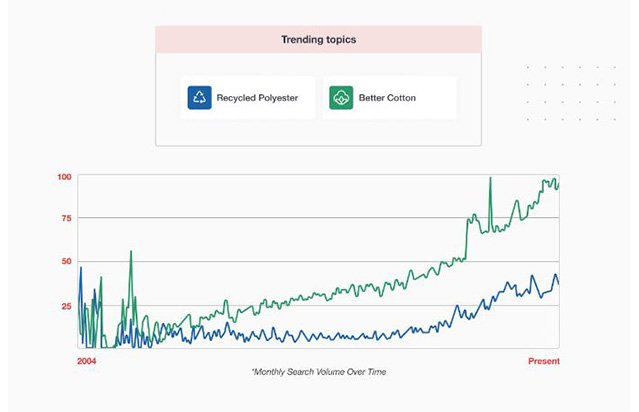
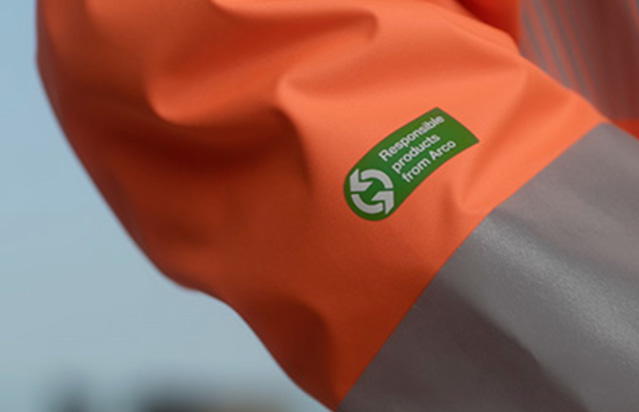
There is a growing focus on the use of sustainable and eco-friendly materials in PPE manufacturing. This trend has highlighted the use of materials such as recycled fibres, biodegradable options and alternatives to plastic.
For many of us, the face mask remains a memory of the Covid-19 pandemic.
The role of PPE was invaluable, but it came at a cost. In 2022, according to E Magazine, around "129 billion facemasks and 65 million pairs of gloves were disposed of each month". The Royal College of Surgeons in England also reported that many single use plastic masks could take up to 450 years to decompose.
This prompted manufacturers working to create a more sustainable options - both through choice of materials, technology and sustainability schemes.

Customisation and Comfort
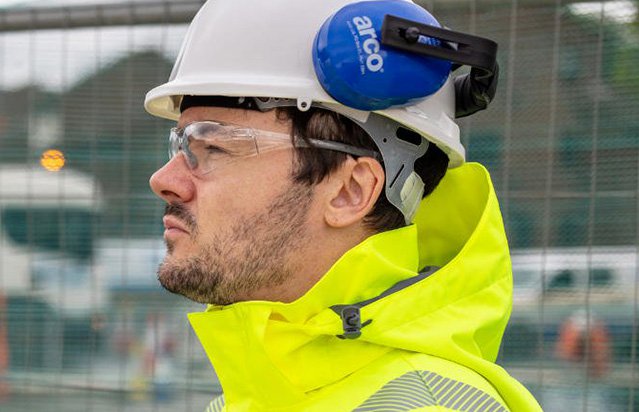
The wrong PPE can be dangerous. But it can also be inconvenient as it can slow the wearer down. When it comes to what makes effective PPE, the following criteria is essential:
- Insultation
- Weather protection
- Ergonomic fit
But, balancing comfort with safety isn't always easy. The highly-insulated clothing a worker on an electrical grid requires may feel hot, heavy and stifling. On the flipside, if a design doesn't insulate the wearer to an internal body temperature of around 37 degrees Celsius, the user will feel cold and could experience hypothermia. Workers in hot conditions wearing non-breathable clothing will feel hot, sweaty and uncomfortable. In extreme cases, this could lead to dizziness, confusion or heat exhaustion. Stringent user testing and feedback is essential.
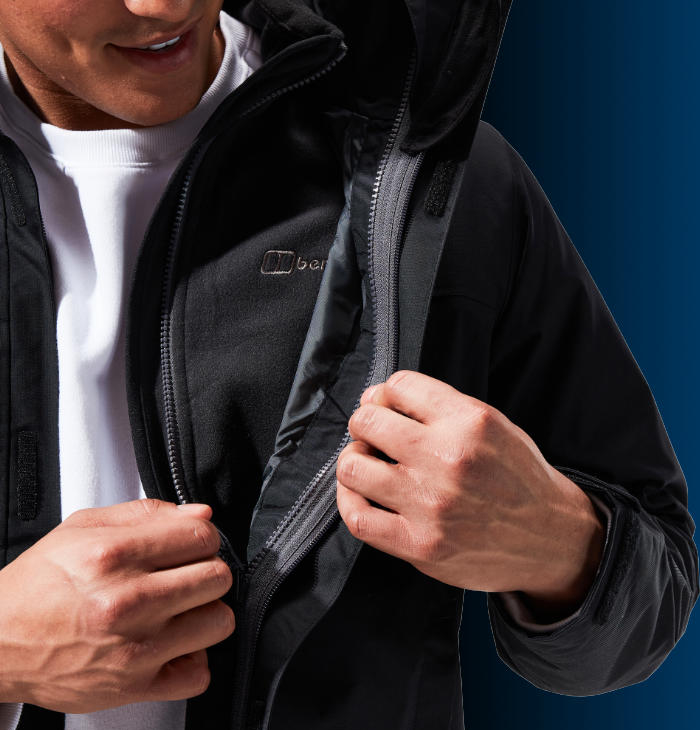
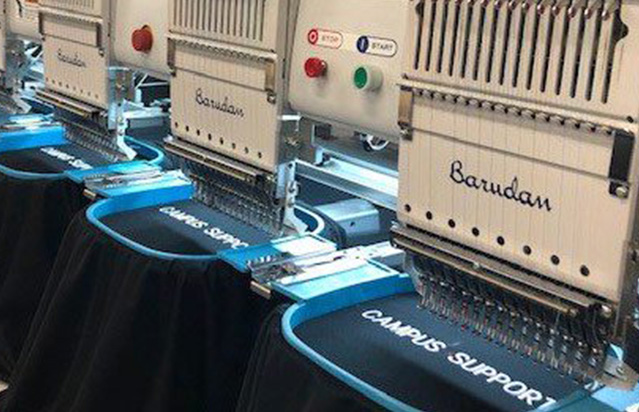
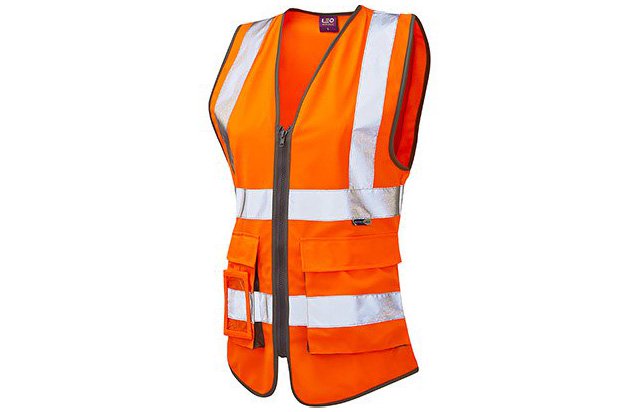
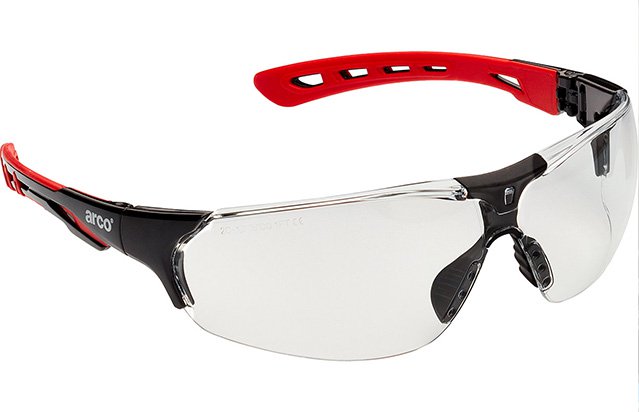
We offer everything from hi-vis to PPE manufactured to the highest industry standards. Plus, we also offer a range of customisation options to make life easier on the job. Take the Snickers Craftsmen 3211 trousers, which allow wearers to choose a convenient holster pocket position for them. You'll also find ergonomic, user-focused design from back supports to gloves, delivered in cutting-edge materials to make work safer, more comfortable and more efficient.
A New World of AI, AR and VR
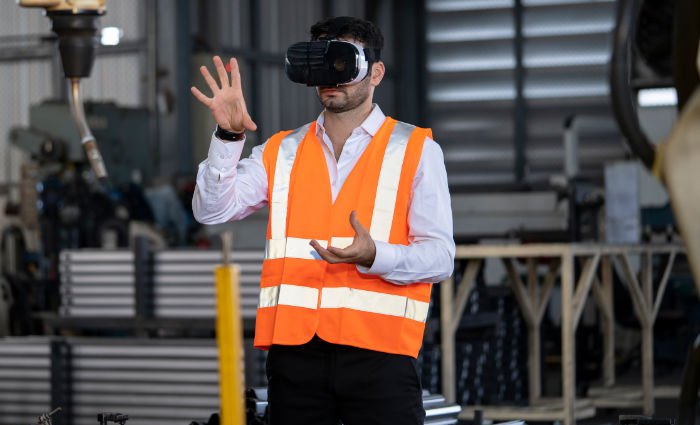
The world of artificial intelligence (AI,) augmented reality (AR) and virtual reality (VR) are changing the face of health, safety and PPE across construction, healthcare and other industries. Here, we're seeing advances that are keeping workers safe, compliant and efficient all at once.
AI-powered CCTV systems are performing PPE monitoring, inspections and compliance checks instantaneously. The new tech uses cutting-edge algorithms, computer vision and analytics to rapidly capture on-site PPE use and assess any potential hazards or defects. It's eliminating human error, speeding up processes and keeping sites safer.
You'll find the AR functionality on a range of everyday smartphone apps - from Google Maps to Pokémon Go! But it's also having a huge impact on site safety and efficiency. Smart glasses can beam real-time schematics, hazard alerts and safety details directly to the user's field of vision - eliminating the guesswork and giving workers essential, salient information exactly when and where they need it.
How is VR Technology Being Used in Industry?
In construction and healthcare, we're seeing huge advances in VR tech.
Interactive Building Informational Modelling (BIM) software is helping architects, site managers and workers interact with accurate VR designs to spot issues, hazards and inaccuracies before they've even got on site. It also provides an important function for potential buyers and site visitors - bridging the gap between 2D plans and potentially hazardous on-site visits.
In medicine, VR scenarios are now used for emergency response training - helping healthcare responders hone their essential skills in advance. Construction firms are also using VR to give doctors, nurses and other professionals a say into the layout and design of the wards they'll use every day to save lives.
Adapting to a Post Pandemic World
The new world of on-site health, safety and PPE looks bright.
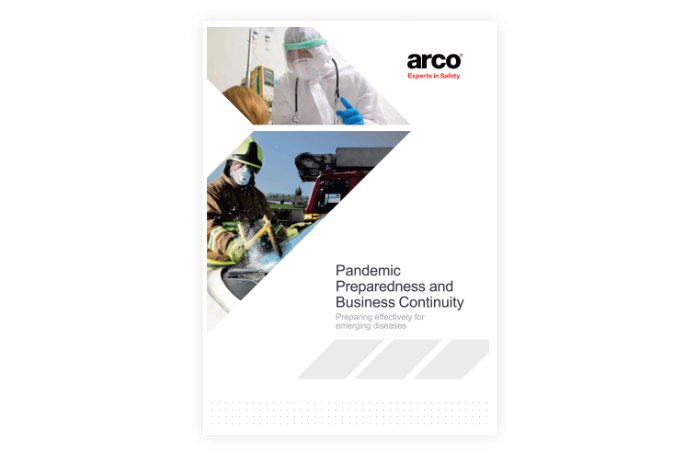
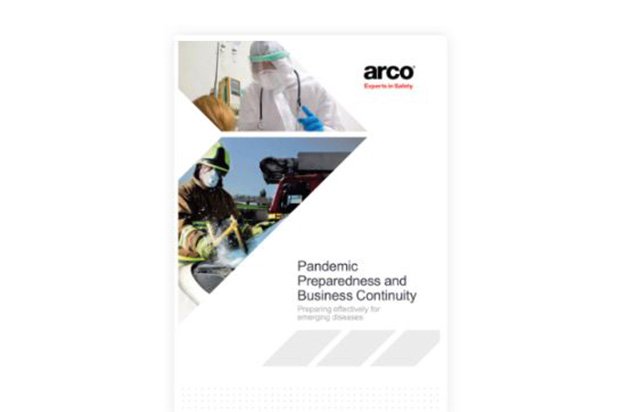
During and after the pandemic, PPE research has ramped up significantly. Safety experts, medical scientists, medical engineers and ergonomics specialists have been working together to find safer, longer-lasting PPE solutions. Find out more about this and how the industry is preparing for the future in the Arco whitepaper on Pandemic Preparedness and Business Community.
A key development is the increased use of nanofibers - miniscule, highly effective fibres that block pathogens and hazards better than ever before. This allows for safe, light, breathable, comfortable and longer-lasting mask, gown and PPE designs. There are also major innovations in reinforced polymers to provide stronger, more durable PPE designs compared to plastics.
Sites and workplaces across the globe have upped their game when it comes to hygiene. Touch-free access controls allow workers to enter and exit sites without spreading germs. Automated and robot-assisted cleaning ensures that workplaces are sanitised with no human error. Then, there's enhanced air purification systems, UVC air purifiers and plasma air purifiers that filter out pathogens, pollutants and allergens. Some workplaces also carry out digital health monitoring and testing to prevent the spread of disease.
As Dr Ian Pearson puts it: "In the years ahead, we may witness the emergence of more viruses, which will no doubt show the imperative need for detection measures in workplaces with close human interaction. The integration of rapid testing, possibly within or in conjunction with PPE, will prove to be a valuable asset for organisations. Exploring innovations like incorporating UVC into breathing apparatus or employing techniques such as plasma sterilisation, could help to curb the spread of contagious viruses."

Moving Forward
There's still a long way to go in the post-pandemic world of PPE. The workplace is evolving. And from new tech to inclusive, user-focused design, more advanced and effective PPE is rising to the challenge. If you're looking for responsible, well-designed PPE, workwear and equipment for your staff, we have you covered.